Auxergen creates and sells innovative biocontrol solutions that tackle diseases impacting humans, plants, and the environment; our mission is to substantially reduce the chemical strain on our soils and waterways.
Agricultural solution to defeat Olive Quick Decline Syndrome and Pierce’s Disease prevalent in major olive oil and wine producing nations.
Agricultural solution to combat plant diseases like rice blight, improving crop yields for countries which depend on rice-based diets.
Soil reclamation technology that neutralizes toxic compounds and heavy metals in polluted soils for a healthier environment.
An effective bio-disinfectant which neutralizes 99.9% of known viruses and can be applied on solid surfaces, including fabrics, promoting hygiene and safety.
Auxergen creates and sells innovative biocontrol solutions that tackle diseases impacting humans, plants, and the environment; our mission is to substantially reduce the chemical strain on our soils and waterways.
Recognized as a Qualified Maryland Biotechnology Company by the Maryland Department of Commerce, we are one of the most widely published companies in ag-bio in America and foster a fertile ground for biotechnological advancements. Maryland has recognized our value year after year as a QMBC, enabling our investors to receive tax incentives for investing in Auxergen and, thereby, propelling Maryland towards a more prosperous, sustainable future.
To reduce the use of chemical pesticides in agriculture, to reduce toxic runoff and to promote watershed and environmental health. To search for novel applications of discoveries at the nexus of human, animal and plant diseases.
In essence: To create biologic solutions to promote human, animal and environmental health.
Pioneering a future where plant bacterial diseases are a relic of the past and human longevity is maximized.
Read the press release.
Read moreRead the press release.
Read moreAuxergen presented two high-impact poster presentations that challenge longstanding assumptions in virology and parasitology at the American Society for Microbiology (ASM) Microbe 2026 conference in Washington, D.C. (June…
Read moreRead the press release.
Read moreWorking with Auxergen is an opportunity to fuel genuine advancements addressing global challenges in agriculture and the environment. Our work fosters the development of sustainable solutions with substantial returns driven by market demands and groundbreaking innovations.
Auxergen Leadership

Cellular Biologist, Virologist, and Chief Science Officer
Dr. Ting-Yu (Ting) Yeh is a distinguished cellular biologist and virologist whose career is defined by a unique synthesis of clinical medicine and agricultural science. Dr. Yeh is a Co-founder and Chief Science Officer of Auxergen. For 20 years, Dr. Yeh was a researcher at Weill Cornell Medical School and Johns Hopkins University . Dr. Yeh has dedicated his life’s work to identifying transformative innovations that bridge the gap between human health and plant biology.
Dr. Yeh’s academic journey began in Taiwan, inspired by his grandfather, a preeminent banana farmer. While his early fascination with botany was deeply rooted in this family heritage, a near-tragic incident involving a close friend initially pivoted his focus toward clinical medicine. However, when the Taiwanese banana industry faced devastating disease-related challenges, Dr. Yeh returned to his roots. He realized that his medical training and his passion for plant biology were not disparate paths, but rather a powerful, unified lens through which he could tackle global agricultural and medical crises.
Dr. Yeh has authored seminal research across several diverse fields:
Virology. He identified the first Bamboo mosaic virus (BaMV) and satellite RNA in the United States, conducting critical research into RNA recombination and replication competence that fundamentally advanced plant pathology.
Molecular Motors & Oncology. His work on dynein —the molecular motor responsible for cellular transport—has redefined our understanding of cancer malignancy. He co-discovered Dynarrestin , a potent anti-cancer drug candidate that inhibits cell division and endosome movement.
Neurology & Ophthalmology. Dr. Yeh provided the first evidence of how the protein Tctex-1 is released from the dynein complex to stimulate neuron growth. He also discovered Tctex-1’s regulatory role in rhodopsin protein trafficking, a finding vital to understanding Retinitis Pigmentosa .
Genetic Disorders. His research identified the mechanism by which the dynactin subunit p62 (DCTN4) variant contributes to the pathogenesis of Cystic Fibrosis .
By integrating complex cellular mechanisms with practical applications, Dr. Yeh continues to lead Auxergen in developing solutions that address the world's most pressing biological challenges.

CEO and Co-founder, Auxergen, Inc.
Gregory Contreras is a versatile serial entrepreneur and executive leader with a career spanning advertising, product development, and international operations. As the CEO and Co-founder of Auxergen, Inc. , Greg leverages a diverse professional background to steer the company toward groundbreaking biological solutions that address the intersection of human health, agriculture, and environmental sustainability.
Greg’s career began in the highly demanding world of cosmetics packaging design and manufacturing at Corona Plastics, Inc., before he transitioned into high-level business development at globally recognized firms, including Gemini Consulting and Young & Rubicam . This unique combination of manufacturing, marketing, and financial expertise has been instrumental in his ability to scale Auxergen from a laboratory concept to an international enterprise.
Under Greg’s leadership, Auxergen has established itself as a leader in agricultural biotechnology R&D . Operating within the University of Maryland incubator system, Greg has successfully raised $2 million in debt-free capital , expanded the team, and secured a robust intellectual property portfolio that includes three patents and 17 peer-reviewed research papers.
Key milestones of his tenure include:
Global Expansion. Founded Auxergen S.R.L. in Bari, Italy , to deploy specialized bio-treatments for Olive Quick Decline Syndrome (OQDS) , caused by the Xylella fastidiosa bacterium.
Targeted Eradication. Spearheaded the commercialization of CitriPhage™ , a novel technology designed to eradicate citrus canker.
Bioremediation. Developed business strategies for technologies that sequester heavy metals and neutralize toxic organic compounds like PCBs and BTEX , reducing chemical loading in the environment.
Phytochemical Innovation. Licensed novel assays to measure the bio-activity of cannabinoids in both human and animal systems, alongside a unique skin-age assay for dermatological quantification.
A frequent speaker at major industry events, including Bio-International 2024 , Greg is a recognized voice in the push for sustainable biological alternatives to traditional chemicals. His work bridges the gap between complex laboratory research and commercial viability, ensuring that Auxergen’s innovations deliver both a positive environmental impact and a strong return on investment.
Research Projects: Marburg virus recombination, Mpox Recombination, Phage Assembly.
Johns Hopkins University
Research Projects: Marburg virus recombination, Mpox Recombination, Phage Assembly.
Johns Hopkins University
Research Projects: Trichomonas virginalis satellite RNAs, Phage Assembly, Phage Therapeutics.
Harvard University
Research Projects: Structure and co-evolution of phage PSF13 and bacterial TpfC, Phage adaptive evolution of bacterial carbohydrate metabolism. Barnard College, Columbia University
Research Projects: Trichomonas virginalis satellite RNAs.
Research Projects: Marburg virus recombination.
Taipei Municipal Zhong-zheng Senior High School
Research Projects: Marburg virus recombination, Tea Polyphenols and COVID-19 interactions.
Kang Chiao International School
Research Projects: Trichomonas virginalis satellite RNAs.
Research Projects: Phage-Bacteria Interaction, Phage Adaptive Evolution.
National Yang Ming Chiao Tung University, Hsinchu Taiwan
Research Projects: Phage-Bacteria Interaction, Phage Adaptive Evolution, Phage Assembly.
Cornell University
Research Projects: Marburg virus recombination, Phage-Bacteria Interaction, Phage Adaptive Evolution.
Case Western Reserve University
Research Projects: Bat-borne HKU5-CoV-2 coronavirus, Structure and co-evolution of phage PSF13 and bacterial TpfC, Phage Adaptive Evolution. Department of Civil and Environmental Engineering
University of California, Berkeley
Research Projects: Marburg virus recombination.
Biomedical and Technology Program, Chino High School, Chino, CA
Research Projects: Phage-Bacteria Interaction, Phage Adaptive Evolution, Phage Assembly.
Municipal Yu Cheng Senior High School, Taipei Taiwan · University in August 2026
Research Projects: Structure and co-evolution of phage PSF13 and bacterial TpfC, Phage adaptive evolution of bacterial carbohydrate metabolism. University of Melbourne, Australia, Beginning Spring 2026
Research Projects: Marburg virus recombination, Bat-borne HKU5-CoV-2 coronavirus, Structure and co-evolution of phage PSF13 and bacterial TpfC, Phage Adaptive Evolution. Taipei Municipal Chenggong High School, Taipei Taiwan
University in August 2026
Research Projects: Bat-borne HKU5-CoV-2 coronavirus, Structure and co-evolution of phage PSF13 and bacterial TpfC, Phage Adaptive Evolution. Department of Animal Science
University of California, Davis
Research Projects: Marburg virus recombination, Bat-borne HKU5-CoV-2 coronavirus, Structure and co-evolution of phage PSF13 and bacterial TpfC, Phage Adaptive Evolution. Taipei Municipal Chien Kuo High School, Taipei Taiwan
University in August 2026
Research Projects: Quantum properties of RNA-binding proteins, Trichomonas virginalis satellite RNAs, Marburg virus recombination. The Bronx High School of Science, Bronx NY
Research Projects: Trichomonas virginalis satellite RNAs, Marburg virus recombination.
Bronx High School of Science, NY
Research Projects: Trichomonas virginalis satellite RNAs.
Department of Genetics · Rutgers University
Research Projects: Marburg virus recombination, Bat-borne HKU5-CoV-2 coronavirus, Impact of anthropogenic activities on bat-human contact and the emergence of bat-borne zoonotic diseases.
Program in Biology · University of Michigan, Ann Arbor
Research Projects: Marburg virus recombination, Phage assembly. Brandeis University
Research Projects: Phage assembly. National Tainan Girls’ Senior High School, Tainan Taiwan
Research project: Viral RNA-binding proteins, Mitosis of Trichomonas virginalis.
Tuskegee University
Research project: Viral RNA-binding proteins, Cytoadherence, host- and microbe-interactions of Trichomonas vaginalis.
University of Maryland Baltimore County
Research Projects: Phage Assembly, App Design.
Georgetown University
Research Projects: Mpox Recombination.
Binghampton University
Research Projects: Mpox Recombination.
University of California, Santa Barbara
Learn more about working with Auxergen.
Categories of Products
Olive Quick Decline Syndrome and Pierce’s Disease
A significant yet underreported blight is compromising the health and vitality of olive groves across Europe, putting a vital industry at risk.
The European olive tree industry is confronting a serious challenge with the spread of the Xylella fastidiosa (Xf) pathogen, the cause behind the Olive Quick Decline Syndrome (OQDS). The pathogen obstructs water and nutrient uptake in olive trees by colonizing their xylem vessels, leading to severe wilting, dieback, and eventual tree death. The disease is spread from one tree to another through xylem-feeding insects.
The global olive market is expected to grow from $14.2 billion in 2023 to $18 billion by 2028, propelled by a notable shift in consumption patterns. Despite an upswing in harvested areas, the industry has faced a significant yield decline of 14.5% since 2017.
Developed by Auxergen, XylePhage™ is a scientifically engineered biocontrol agent targeting the destructive Xf bacteria in the tree’s xylem – the vital water and nutrient transport channel. Through its targeted action, it effectively eliminates the bacteria, thus preventing the blockage of nutrients and curbing the progression of the disease that has been devastating olive groves.
Auxergen is seeking investments to bring XylePhage™ to market, leveraging a strong team of scientists and engineers with a history of developing and commercializing biocontrol agents, and established relationships with critical stakeholders in the scientific community and the olive oil industry. Auxergen projects potential revenue as follows: estimated revenue generation of $293 million annually, and initiating negotiations with individual EU countries for a share of the $5.8B annual loss.
As a Qualified Maryland Biotechnology Company (QMBC), investors have access to the Maryland Biotechnology Investment Incentive Tax Credit (BIITC). QMBC status enables investors to receive a 33% income tax credit on eligible investments, up to $250,000 per investor. An investment of $750,000 in Auxergen can yield a $250,000 tax credit from the State of Maryland. This opportunity is open to investors globally, as long as they are from a jurisdiction with a US-correspondent tax system.
The company is aiming to raise $11 million, capital designated to facilitate the commercialization of our XylePhage product.
Citrus canker and rice blight
Agricultural solution to combat plant diseases like rice blight, improving crop yields for countries which depend on rice-based diets.
Agriculture’s critical sectors face tangible threats. Citrus trees, vital for Florida’s economy, suffer from citrus canker, reducing marketable produce and raising production costs. Rice, a staple food for billions globally, confronts bacterial blight, which can obliterate up to 75% of crops in severe conditions. As climate change looms, the threats intensify, potentially costing the US rice market an additional $112 million annually.
XanthaPhage™ offers an innovative agricultural solution designed to counteract the damaging effects of citrus canker and rice blight. This product aims to enhance crop health through targeted treatment, resulting in increased yields. By revitalizing these essential agricultural sectors, XanthaPhage™ not only ensures food security but also aids in stabilizing market prices and reducing production costs for farmers.
Licensing XanthaPhage’s technology provides a gateway to two high-value agricultural sectors: citrus and rice. With a scalable solution that addresses pressing disease challenges, investors can capitalize on a pivotal role in safeguarding global food supply.
Soil reclamation
Soil reclamation technology that neutralizes toxic compounds and heavy metals in polluted soils for a healthier environment.
Urban and suburban gardens are increasingly plagued by heavy metal contamination and toxic organic compounds. This soil pollution jeopardizes the safety of homegrown produce and poses risks to local ecosystems and residents’ health.
MarlePhage™ is a cutting-edge soil reclamation technology. It dissolves those dangerous organic compounds and adeptly sequesters heavy metals, transforming once-polluted soils back to safe and productive grounds.
The need for effective soil reclamation technologies grows as urbanization and industrial activities surge. MarlePhage, as a consumer-focused soil reclamation technology, steps in to address this marketplace need. Beyond direct consumer sales, there’s an opportunity to license the MarlePhage technology to garden product companies, creating an additional revenue stream.
Categories of Products
Bio-disinfectant
An effective bio-disinfectant which neutralizes 99.9% of known viruses and can be applied on solid surfaces, including fabrics, promoting hygiene and safety.
The need for effective disinfectants has never been more apparent in the post-pandemic world. While the disinfectant market continues to expand rapidly, with projections reaching USD 15.3 billion by 2032, a significant gap exists in products tailored specifically for a broad spectrum of solid surfaces, including fabrics. Common disinfectants might not provide optimal protection on varied surfaces or could damage sensitive materials.
Our pharmacology and discovery programs.
Möbius Cyclopeptide oral spray, dietary supplement. One twist, twice a day.
The bacterial membrane breaking open.
Fungal branches stopped at the growing tip.
One binder picked from the phage display library.
Read the press release.
Read moreRead the press release.
Read moreAuxergen presented two high-impact poster presentations that challenge longstanding assumptions in virology and parasitology at the American Society for Microbiology (ASM) Microbe 2026 conference in Washington, D.C. (June…
Read moreRead the press release.
Read morePublications 2020 – Present (Reverse Chronological)
a novel bacteriophage treatment for Olive Quick Decline Syndrome (OQDS), caused by the Xylella fastidiosa bacterium.
a novel bacteriophage technology designed to eradicate citrus canker.
Technology for the precise measurement of cannabinoid activity in human cells, expediting drug discovery and product development.
Recent Articles & News
Read the press release.
Read moreRead the press release.
Read moreAuxergen presented two high-impact poster presentations that challenge longstanding assumptions in virology and parasitology at the American Society for Microbiology (ASM) Microbe 2026 conference in Washington, D.C. (June…
Read moreRead the press release.
Read moreRead the press release.
Read moreBaltimore, MD – April 6, 2026 — Auxergen Inc. is proud to announce the publication of "Tea Polyphenols in the COVID-19 Era: Mechanistic Insights and Translational Challenges" in the journal Current Issues in Molecular Biology…
Read moreAuxergen is proud to announce its latest publication in Virology, led by first author Vincent Tsai. Currently a senior at Wego High School, Vincent Tsai is the first high school student to serve as the lead author of any study published in the journal’s…
Read moreAuxergen is excited to announce the publication of summer intern Desmond L. Seybold’s first-author paper in International Journal of Molecular Science. Desmond is an undergraduate at the University of Maryland, Baltimore County, and joined us through the IMET…
Read moreAuxergen, a leading multinational biotechnology company specializing in virology and microbial genomics, announced its participation in the 2025 American Society for Virology (ASV) annual meeting held in Montreal, Canada, from July 14 to 17. The company's…
Read moreAuxergen has been named one of the top eight "Companies to Watch" in Baltimore for 2025 by the Baltimore Business Journal, a publication reaching over 2.3 million readers…
Read moreAuxergen announces the establishment of its new, production-capable, state-of-the-art biotech laboratory at the Institute of Marine and Environmental Technology (IMET), marking a significant step almost five years to the day since installing at the Harbor…
Read moreExciting News! Auxergen has just published groundbreaking research in the journal Virology, revealing the secrets of virus assembly. Our study on Xanthomonas integrative filamentous phages uncovers novel packaging mechanisms that could revolutionize disease…
Read moreAuxergen's latest research on the rapidly evolving mpox strains has been published in The Lancet Microbe. With a ranking of 2nd out of 132 in the infectious disease category, and 3rd out of 161 in the microbiology category, it is one of the world’s foremost…
Read moreToday, Auxergen had a productive meeting with Coldiretti leadership to discuss our groundbreaking bacteriophage solution, designed to combat Olive Quick Decline Syndrome…
Read moreAuxergen announces the establishment of an Italian division to bring the Auxergen's Xylella treatment to Italy and the wider…
Read moreAuxergen Inc., an innovator in biotechnology based in Maryland, proudly announces its selection for a coveted presentation slot at the esteemed BIO International Convention 2024, happening from June 3-6 at the San Diego Convention Center. This event, known as…
Read moreAuxergen, Inc. has achieved Qualified Maryland Biotechnology Company (QMBC) status for 2024. QMBC status provides early-stage biotechnology companies with refundable tax credits to help offset high research and development…
Read moreAuxergen announces its latest product: an in-vitro assay to measure the pharmacokinetics of THC, CBD and like cannabinoids, which promises to revolutionize the field of cannabis research and diagnostics, with application to drug discovery, design, efficacy…
Read moreAt Auxergen, we are thrilled to share a promising update on our XylePhage project, a revolutionary endeavor aiming to safeguard a 95% of the world's olive oil production currently threatened by the perilous Olive Quick Decline Syndrome…
Read moreGet In Touch With Us
Rita Rossi Colwell Center
701 East Pratt Street, Baltimore, MD 21202
Auxergen presented two high-impact poster presentations that challenge longstanding assumptions in virology and parasitology at the American Society for Microbiology (ASM) Microbe 2026 conference in Washington, D.C. (June 4–7).
The posters offer evidence of Multiple Superinfection Events detected in a deadly Marburg Virus outbreak and the discovery of the first iron-binding viral protein detected in any virus, in this case in the Trichomonas vaginalis virus (TVV).
First Evidence of Natural Recombination in Filoviridae – Multiple Superinfection Events Detected in Marburg Virus
Auxergen researchers presented the first direct evidence of genetic recombination within the Filoviridae family (Marburg, Ebola) during human transmission. Analyzing Marburg virus (MARV) genomes from the 1999–2000 Democratic Republic of the Congo outbreak, the team identified 1,434 strong linkage disequilibrium pairs and 2,371 recombinant SNP pairs, mapping 15–73 distinct recombination breakpoints across the genome.
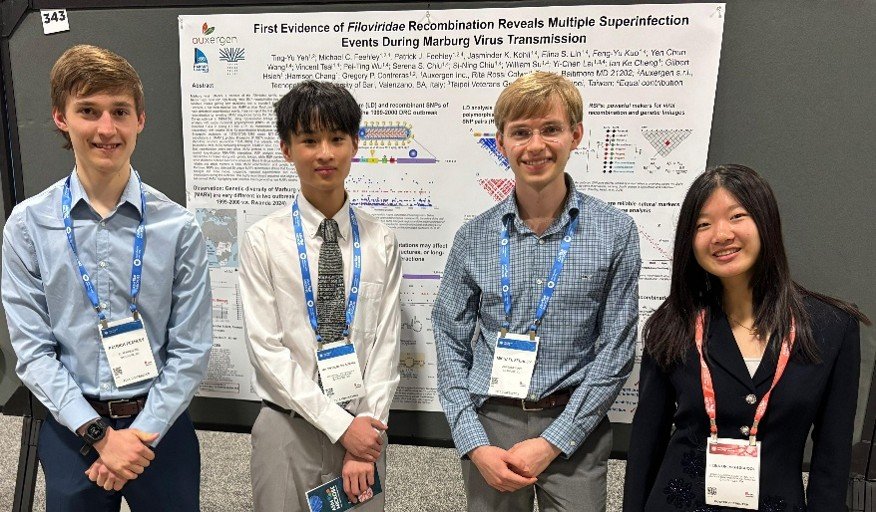
From Left to Right: Patrick Feehley, Ian Cheng, Michael Feehley, Elina Lin.
These findings overturn the prior consensus that filoviruses do not recombine naturally. Instead, this work demonstrates how multiple superinfection events can reshape key viral proteins, RNA structures, and long-distance interactions during an outbreak event.
Auxergen’s findings improve our understanding of transmission dynamics, outbreak tracking, and countermeasure design. The study also validates recombinant SNP pairs and haploblocks as robust, error-resistant markers for tracing viral lineages. This work adds to our previous body of work in the field.
Discovery of a Novel Iron-Binding Protein Encoded by Trichomonas vaginalis Viral Satellites
Auxergen characterized a previously unknown protein (p7) encoded by satellite RNAs in the Trichomonas Vaginalis virus (TVV). This is the first iron-binding protein identified in any virus. p7 binds both Fe²⁺ and Fe³⁺ through a histidine/cysteine pocket and contains a conserved Sx(I/L)P motif that enables direct interaction with host microtubule end-binding proteins (EB1/EB2). This research shows how environmental iron levels may regulate RNA transport in TVV, opening new avenues for therapeutic intervention.
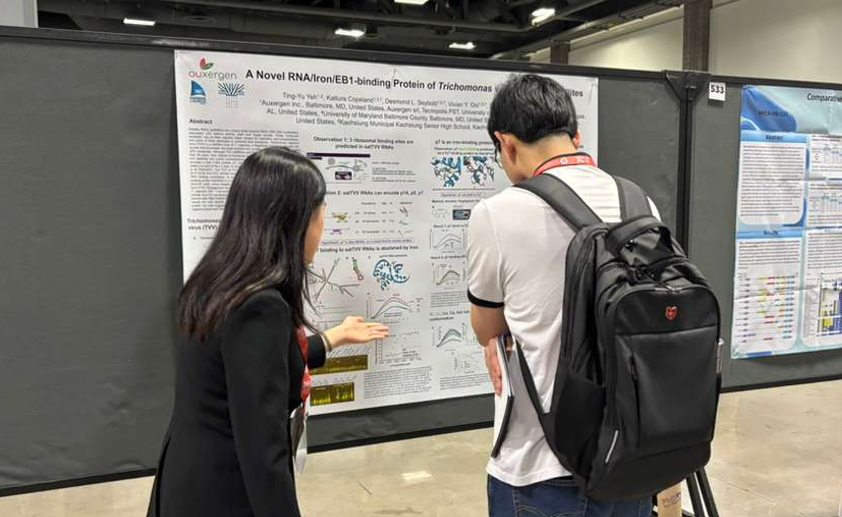
Vivian Ooi presenting to an attendee.
“These presentations on the natural recombination in Filoviridae and the discovery of the first iron-binding viral protein are quite significant.” Dr. Ting-Yu Yeh, Chief Scientific Officer at Auxergen, said, adding: “Both offer new insights to equip the scientific community as they track emerging pathogens and uncover new biological mechanisms.”
Auxergen, Inc. is a biotechnology company dedicated to harnessing viral mechanisms and bacteriophage technology to address critical challenges in human health, agriculture, and environmental sustainability. Headquartered at the Institute of Marine and Environmental Technology (IMET) in Baltimore, Maryland, the company integrates rigorous virological research with translational development to create innovative therapeutics, diagnostics, and biocontrol solutions. For more information, visit auxergen.com.
(ASM) is a professional organization committed to advancing the microbial sciences through rigorous research, peer-reviewed publishing, and global scientific collaboration. ASM supports a diverse network of researchers, educators, and health professionals by fostering innovation, providing professional development opportunities, and advocating for equitable representation across the scientific ecosystem.
Auxergen Michael Feehley Email: michael@auxergen.com Phone: (443)-929-9757
Baltimore, MD – April 6, 2026 — Auxergen Inc. is proud to announce the publication of "Tea Polyphenols in the COVID-19 Era: Mechanistic Insights and Translational Challenges" in the journal Current Issues in Molecular Biology (https://www.mdpi.com/1467-3045/48/4/379).
Lead author Harrison Chang, a tenth-grade high school student and intern at Auxergen, provides a critical chemo-biological evaluation of how bioactive compounds found in tea, like EGCG and theaflavins, interact with the SARS-CoV-2 virus and the human immune system.
The review synthesizes emerging evidence on the multi-targeted potential of tea-derived nutraceuticals to manage COVID-19 (Figure 1) and its long-term effects: Inhibition of Viral Entry and Replication: The paper details how tea polyphenols may block the interaction between the viral "spike" protein and human ACE2 receptors. Furthermore, it highlights their ability to inhibit essential viral enzymes like the 3CLpro protease and RdRp polymerase, effectively blocking the virus's ability to replicate.
Taming the "Cytokine Storm": Beyond direct antiviral action, the paper explores the immunomodulatory effects of catechins, which help reduce the overproduction of pro-inflammatory cytokines (such as IL-6 and TNF-α) that drive severe lung injury.
Addressing the "Long COVID" Gap: The authors investigate the potential for these compounds to aid tissue repair and reduce chronic inflammation, offering a possible nutritional strategy for patients suffering from post-acute sequelae of SARS-CoV-2 (PASC).
Navigating Translational Hurdles: A critical focus of the paper is the "bioavailability bottleneck," which is the challenge of ensuring these compounds reach effective concentrations in the lungs via oral consumption, and the potential for new delivery methods like nano-formulations or aerosolized treatments.

Figure 1. Proposed antiviral targets of tea polyphenols across the coronavirus life cycle. Numerical labels (1–5) denote specific mechanistic checkpoints targeted by tea polyphenols, ranging from initial viral entry to progeny virion maturation.
"Our goal at Auxergen is to bridge the gap between clinical science and phytochemical biology," says Dr. Ting-Yu Yeh, Chief Scientific Officer at Auxergen. "Tea polyphenols show promise in blocking viral mechanisms for infectious diseases like COVID-19. We must continue innovating along the natural product pipeline, at the interplay of human therapeutics and plant science." ###
About Auxergen
Auxergen is a multinational biotechnology company headquartered in Baltimore, Maryland, focused on developing advanced therapeutics and diagnostics in virology, genomics, and microbial engineering. With a global team of experts, Auxergen is committed to translating groundbreaking research into real-world solutions for infectious diseases and beyond. For more information, visit www.auxergen.com.
Auxergen Michael Feehley Email: michael@auxergen.com Phone: (443)-929-9757
Auxergen is proud to announce its latest publication in Virology, led by first author Vincent Tsai. Currently a senior at Wego High School, Vincent Tsai is the first high school student to serve as the lead author of any study published in the journal’s history since founding in 1955.
In the review, Vincent Tsai provides a framework for understanding how human-driven environmental changes are accelerating the zoonotic spillover of deadly viruses from bats to humans. The paper summarizes decades of ecological and virological research, emphasizing the importance of preventing zoonotic spillover at its source rather than disproportionately prioritizing outbreak response.
The paper identifies and discusses several key drivers that are increasing the frequency and intensity of bat-human contact: Habitat Destruction & Urbanization: As forests are cleared, "specialist" bat species disappear while "generalist" species adapt to urban environments, turning attics and bridges into viral melting pots.
Agricultural Intensification: Modern farming creates an "amplifier" effect, where livestock act as intermediate hosts, increasing the viral load before it reaches humans.
Climate Change: Rising temperatures are shifting bat migratory patterns and inducing nutritional stress, which compromises bat immune systems and leads to increased viral shedding.
Bushmeat & Occupational Exposure: Direct handling of wildlife in markets and caves remains a primary ignition point for outbreaks like Ebola and Marburg.
A Critical Warning for Future Pandemics
The research highlights emerging threats like HKU5-CoV-2, a virus that Auxergen has demonstrated to have the potential to engage human receptors through genetic recombination. This discovery underscores that the evolution of bat-borne viruses is an ongoing process directly influenced by human encroachment.
"We can no longer view human health, animal health, and environmental integrity as separate issues," says Dr. Ting-Yu Yeh, Corresponding Author and scientist at Auxergen. "Vincent’s review shows that by disrupting the natural barriers of the ecosystem, we are essentially inviting the next pandemic.”
This paper reflects Auxergen’s commitment to increasing our understanding of how diseases begin and evolve, providing the scientific community with the tools needed to predict, and prevent, the next pandemic. ###

Vincent Tsai
About Auxergen
Auxergen is a multinational biotechnology company headquartered in Baltimore, Maryland, focused on developing advanced therapeutics and diagnostics in virology, genomics, and microbial engineering. With a global team of experts, Auxergen is committed to translating groundbreaking research into real-world solutions for infectious diseases and beyond. For more information, visit www.auxergen.com.
Auxergen Michael Feehley Email: michael@auxergen.com Phone: (443)-929-9757
Auxergen is excited to announce the publication of summer intern Desmond L. Seybold’s first-author paper in International Journal of Molecular Science. Desmond is an undergraduate at the University of Maryland, Baltimore County, and joined us through the IMET Undergraduate Summer Internship Program. Culminating in research conducted over the Summer of 2025, this review investigates the host-microbe interactions of Trichomonas vaginalis (TV), the third most common sexually transmitted infection in humans.
Pathogenesis of the TV Protozoan Parasite Complicated Pathogenesis: TV utilizes many mechanisms including extracellular vesicles to manipulate their host and establish a colony.
Recruitment of Pathogen Partners: TV recruits other endosymbionts including Lactobacillusand Mycoplasma to increase virulence and mortality.
Secondary Health Effects: Chronic inflammation may follow in infected individuals and is associated with preterm birth and low birth weight in newborn children, and some cancers in mothers.
Resistance Building: Nitroimidazole antibiotics have been facing increased resistance by TV, so understanding the basic mechanisms will facilitate therapeutic benefit.

Figure 1: Cargo of T. vaginalis Extracellular Vesicles (TVEVs). TV secretes EVs through caveolin dependent endocytosis, which increases pro-inflammatory cytokine levels, enhances TV adherence, and degrades epithelial junctions.
Seybold’s paper highlights the “importance of considering TV not as an isolated pathogen but as part of a dynamic microbial consortium that exacerbates reproductive morbidity and susceptibility to HIV and cancers.” We hope this knowledge will help expand the field and further the development of key targets for therapeutic use in the future. ###

Desmond Seybold
About Auxergen
Auxergen is a multinational biotechnology company headquartered in Baltimore, Maryland, focused on developing advanced therapeutics and diagnostics in virology, genomics, and microbial engineering. With a global team of experts, Auxergen is committed to translating groundbreaking research into real-world solutions for infectious diseases and beyond. For more information, visit www.auxergen.com.
Auxergen Michael Feehley Email: michael@auxergen.com Phone: (443)-929-9757
Auxergen, a leading multinational biotechnology company specializing in virology and microbial genomics, announced its participation in the 2025 American Society for Virology (ASV) annual meeting held in Montreal, Canada, from July 14 to 17. The company's scientific team was selected to deliver three poster presentations, highlighting innovative research in phage-host interactions and monkeypox virus (MPXV) recombination.
In the first poster, researchers Jasmine, Joanne, Feng-Yu, and Yen Chun presented the novel mechanisms by which bacteriophages integrate into host chromosomes, influencing bacterial responses to stress and metabolic pathways. Key findings included: The identification of the first known instance of filamentous prophages coevolving with and decoying the host pilus assembly factor to adapt to metabolic and stress conditions.
Observations of histidine (His-) and cysteine (Cys-) synthesis mutations in hosts at frequencies of 11% and 13%, respectively, indicating phage-driven alterations in evolutionary trajectories.
Characterization of a novel phage protein, PSF13 (pili suppression factor, 13 kDa), which forms a critical salt bridge with bacterial TfpC, essential for type IV pili (T4P) assembly and salt stress adaptation.

Poster #1: Characterization of phage-host metabolism and stress adaptation in Xanthomonas.
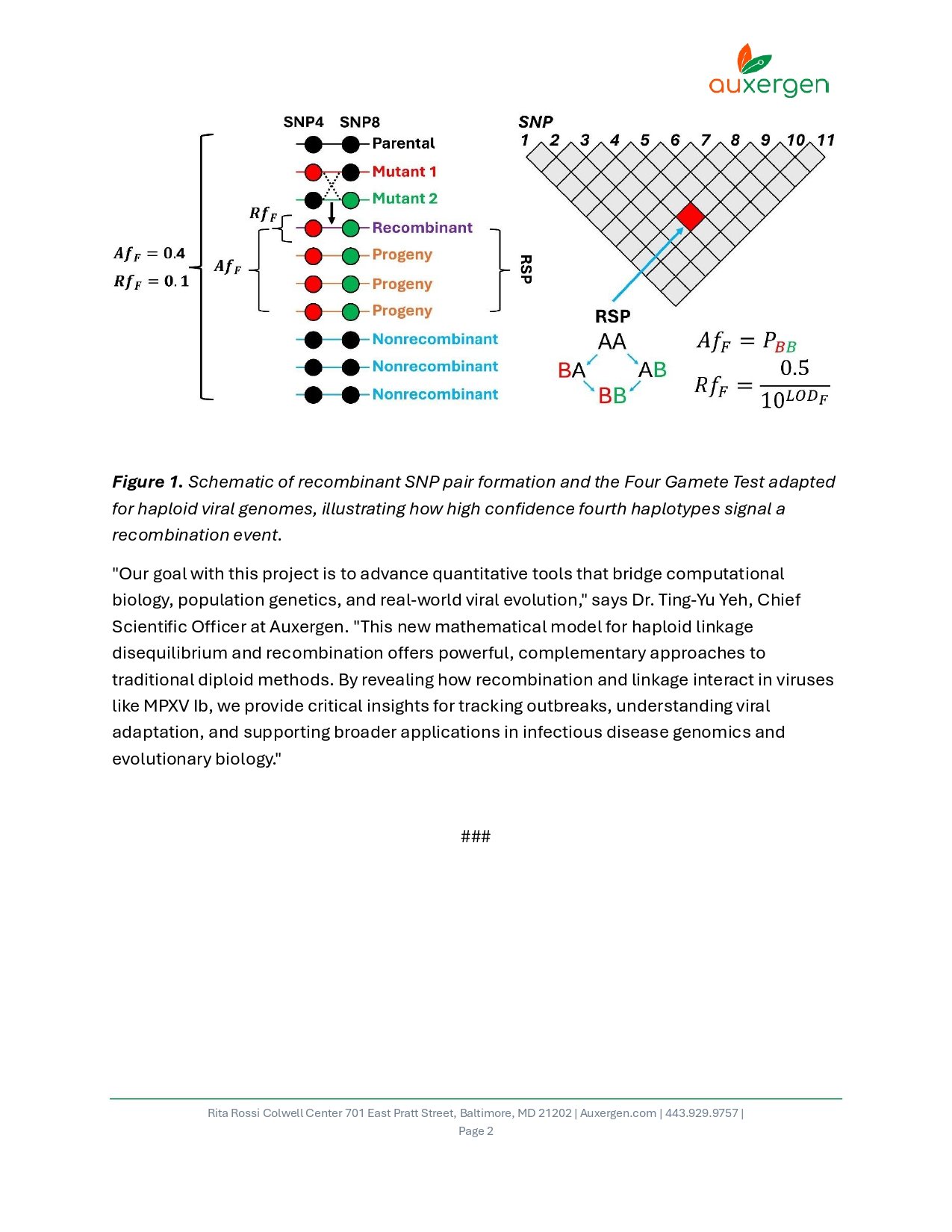
Michael and Patrick Feehley presented the second and third posters focused on recombination dynamics in the poxvirus family, using data from 213 sequences from the human MPXV Ib outbreak. Highlights included: Novel Method for Recombination Analysis: Developed a new method to calculate recombination frequency (Rf) and rate during viral transmission using single nucleotide polymorphisms (SNPs).
Recombination Frequency and Rate: Derived an Rf of 0.17%/kb and a rate of 0.11%/kbp/year in the MPXV Ib outbreak from 2023 to 2025.
First Observation in Poxvirus Family: Provided the first observation of natural Rf and rate in the poxvirus family. Tandem Repeats (TRs) and Recombinant Haploblocks: Demonstrated that TRs can form recombinant haploblocks, which are useful for analyzing recombination events over time.
Sequence-Based Haploblock Assignment: Used sequence-based haploblock assignment to map recombination events over phylogenetic time.
Resistance to Sequencing Errors: Showed that haploblocks offer greater resistance to sequencing errors compared to SNPs alone.
Utility of SNPs and TRs: Demonstrated the utility of SNPs and TRs as natural genetic markers for detecting recombination, even under high mutation rates.


Poster #2 and #3: Genetic barcoding of the MPXV Ib genome using SNP and TR haploblocks to track recombination events (2) Novel method to detect recombination frequency (Rf) and rate using sequence based recombinant SNP pair assignment (3) Development of recombinant haploblock detection method for TRs, which calculates Rf and rate with phylogenetic time.
"Auxergen's presence at the ASV 2025 meeting reflects our ongoing commitment to advancing virological research and fostering collaboration within the scientific community," said Dr. Ting-Yu Yeh, Chief Scientific Officer at Auxergen. Auxergen continues to invest in cutting-edge research to drive scientific progress and improve global health outcomes.
About Auxergen Auxergen is a multinational biotechnology company headquartered in Baltimore, Maryland, focused on developing advanced therapeutics and diagnostics in virology, genomics, and microbial engineering. With a global team of experts, Auxergen is committed to translating groundbreaking research into real-world solutions for infectious diseases and beyond. For more information, visit www.auxergen.com.
Media Contact Auxergen Michael Feehley Email: michael@auxergen.com Phone: (443)-929-9757
Baltimore, Maryland – January 24, 2025
Auxergen has been named one of the top eight "Companies to Watch" in Baltimore for 2025 by the Baltimore Business Journal, a publication reaching over 2.3 million readers annually.
This recognition coincides with the fifth anniversary of Auxergen's incorporation at the Institute of Marine and Environmental Technology (IMET) on April 11, 2020. In support of its expanding research capabilities, Auxergen has recently expanded its laboratory facilities at IMET, equipped with advanced technology and capacity for 14 researchers.
Further achievements include the attainment of Qualified Maryland Biotechnology Company (QMBC) status for 2025 and participation in representing Maryland and United States biotechnology interests in Washington D.C.
Auxergen has developed nine novel biologic solutions aimed at addressing human and agricultural challenges. The company has published 14 peer-reviewed scientific papers and has facilitated the training of numerous students, many of whom have pursued advanced studies at institutions such as Harvard University, Cornell University, and Johns Hopkins University.
"We are building on the momentum established over the past five years to advance our biotechnological innovations," stated Gregory Contreras, CEO and Founder of Auxergen. "This recognition underscores our commitment to impactful research and development in the biotech sector."
Auxergen Inc. was Founded in 2020 at the Institute of Marine and Environmental Technology (IMET), it now has presence in the E.U. Auxergen is a leader in bacteriophages and biologic solutions to human and agricultural diseases. Committed to advancing public health, Auxergen leverages cutting-edge research to address emerging viral threats.
443.929.9757
info@auxergen.com
Baltimore, Maryland – April 4, 2025
Auxergen announces the establishment of its new, production-capable, state-of-the-art biotech laboratory at the Institute of Marine and Environmental Technology (IMET), marking a significant step almost five years to the day since installing at the Harbor Launch Incubator at IMET on April 11, 2020.
The new facilities will enable Auxergen to isolate and purify important bio compounds and conduct in-house testing of their activity and pharmacokinetics. This includes the development of phage control products for agriculture, such as XylePhage for bacterial blight in olive trees and grape vines, and the production of Katanase™, an organic personal anti-viral bio-disinfectant.
Dr. Ting-Yu Yeh, Auxergen’s Chief Scientific Officer and Founder, emphasizes the company's commitment to both commercial development and scientific education. “Private companies have a responsibility to conduct scientific research at the university level,” says Dr. Yeh. Auxergen is currently supervising 20 students from around the world and will host additional interns from the University of Maryland, Baltimore County, and Tuskegee University in Alabama.
This expansion will support Auxergen's mission to develop biological solutions for major challenges, including: Combating Multiple Drug Resistant Organisms by developing phage therapies.
Revolutionizing disinfection with KataNaseTM, a non-chemical, antiviral, and antibacterial bio-disinfectant.
Advancing phage display technology for therapeutic applications, such as anti-obesity medication.
Fighting plant diseases like Olive Quick Decline Syndrome and citrus canker.
Engineering biologics for soil bioremediation.
About Auxergen Inc.
Auxergen Inc., headquartered in Baltimore, MD, with operations in Bari, Italy, is a leader in bacteriophages and biologic solutions for human and agricultural diseases. In its commitment to advancing public health, Auxergen leverages cutting-edge research to address emerging viral, bacterial, and fungal diseases.
443.929.9757
info@auxergen.com
Baltimore, Maryland – November 3, 2024
Unlocking the Secrets of Virus Assembly: A Breakthrough at Auxergen
Exciting News! Auxergen has just published groundbreaking research in the journal Virology, revealing the secrets of virus assembly. Our study on Xanthomonas integrative filamentous phages uncovers novel packaging mechanisms that could revolutionize disease treatments and biotechnological solutions.
Key Findings: Novel Phage Packaging Signals: We've discovered previously unknown signals crucial for producing infectious viral particles.
Missing Protein Factors: These phages lack key proteins, suggesting entirely new strategies for virus construction.
Distinctive Structural and Nucleotide Elements: Our genetic and structural studies reveal unique differences, encouraging a revision of current phage assembly models.

Figure Legend: The 3D structure of an integrative filamentous phage packaging signal (PS). C344 and T340 are essential nucleotides at the loop for PS activity. (courtesy of Patrick Feehley)
This research challenges long-held assumptions and provides a roadmap for harnessing the unique capabilities of these phages. The potential advancements could benefit businesses across healthcare, biotechnology, and agriculture.
Join us in celebrating this major step forward in understanding virus assembly and its implications for the future!
Media Contact: Michael Feehley michael@auxergen.com 443.929.9757
Baltimore, Maryland – November 5, 2024
Auxergen's latest research on the rapidly evolving mpox strains has been published in The Lancet Microbe. With a ranking of 2nd out of 132 in the infectious disease category, and 3rd out of 161 in the microbiology category, it is one of the world’s foremost scientific journals.
Key Findings: The World Health Organization (WHO) declared the 2024 mpox virus (MPXV) clade Ib outbreak as a public health emergency of international concern.
Auxergen's scientific team analyzed 32 MPXV Ib sequences and discovered that the current outbreak is recombining much more quickly than the 2022 outbreak.
The research suggests that continued transmission and evolution of MPVX Ib may lead to more pathogenic strains.

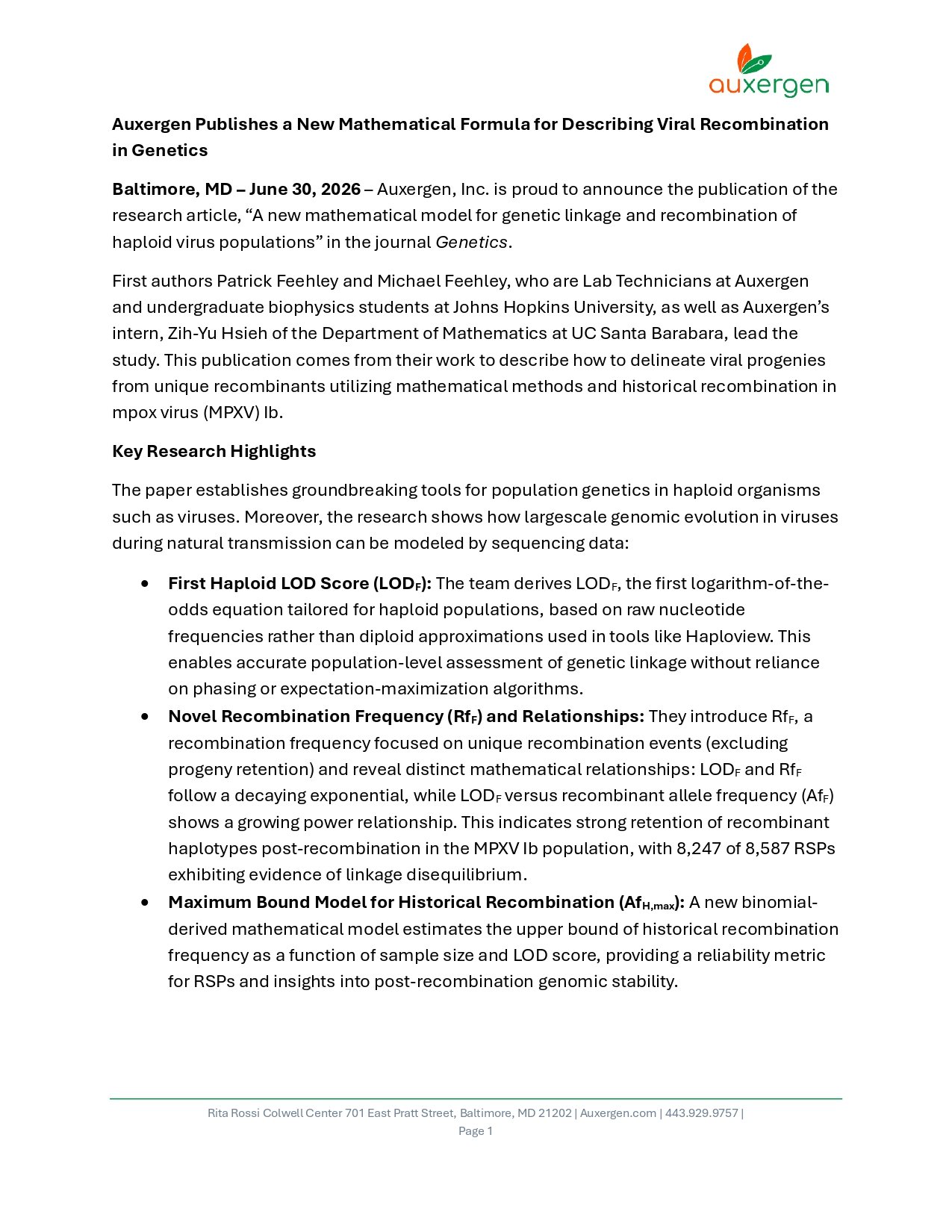
Figure 1 Figure: Haplotype view of mpox clade Ib wiith recombination blocks.
Why It Matters: The recombination of MPXV Ib has likely resulted in the highly concerning resurgence of mpox seen in the current outbreak.
Superinfection, infection of multiple viral strains in a single individual, likely caused recombination to occur.
Continued surveillance and public health policy interventions are necessary to reduce the worldwide impact of MPXV.
Media Contact: Michael Feehley michael@auxergen.com 443.929.9757
Rome, Italy - May 20, 2024
Today, Auxergen had a productive meeting with Coldiretti leadership to discuss our groundbreaking bacteriophage solution, designed to combat Olive Quick Decline Syndrome (OQDS).
Coldiretti, the leading agricultural business association in Italy with over 1.6 million members, is a champion of sustainable agriculture and food systems. Their commitment to supporting farming enterprises and advocating for the rights of family farmers aligns perfectly with Auxergen's mission to promote human health and reduce chemical environmental impacts through innovative biologic solutions.
A special thank you to the Fondazione EVOOschool for the informative tour of their facilities. Their dedication to research and education in the olive oil industry is truly inspiring.
Auxergen, a Qualified Maryland Biotech Company, is committed to collaborating with Coldiretti and other stakeholders to approve our phage-based approach to revitalize and protect this and other vital crops. Auxergen completely supports Coldiretti’s mission to create a thriving future for olive oil production in Italy and contribute to a Zero Hunger world by 2030.
Media Contact: Michael Feehley michael@auxergen.com 443.929.9757
Baltimore, Maryland - July 3, 2024
Auxergen announces the establishment of an Italian division to bring the Auxergen's Xylella treatment to Italy and the wider E.U.
Learn more at the Baltimore Business Journal
Media Contact: Michael Feehley michael@auxergen.com 443.929.9757
San Diego, California – March 18, 2024
Auxergen Inc., an innovator in biotechnology based in Maryland, proudly announces its selection for a coveted presentation slot at the esteemed BIO International Convention 2024, happening from June 3-6 at the San Diego Convention Center. This event, known as the world's largest gathering for the biotechnology industry, brings together over 20,000 professionals from across the globe, including industry leaders in agriculture, healthcare, and environmental protection. Auxergen will be officially representing the state of Maryland:
Company Overview
Auxergen Inc. specializes in developing state-of-the-art biological solutions aimed at addressing significant challenges in agriculture, healthcare, and environmental protection. With a focus on phage-based technologies for sustainable agriculture and human cell-based assays for drug discovery. Auxergen is on a mission to create commercially viable applications that are rooted in responsible and sustainable science, fostering both scientific discovery and development.
Innovative Technologies and Achievements
Among Auxergen's groundbreaking technologies are:
AB-Phage: A topical treatment for combating antibiotic-resistant bacterial infections.
XylePhage: A solution for Olive Quick Decline Syndrome and applications for grape vines and oleanders.
CitriPhage / XanthaPhage: Innovative cures for citrus canker, rice blight, banana wilt and other major crop diseases.
KataNase: A bio-antiviral for surface and personal protection.
A Cannabinoid Bioactivity Assay tool for assessing the effects of cannabinoids on human cells.
Auxergen's participation in the BIO International Convention 2024 is not just a milestone for the company but also a testament to the power of biotechnological innovation to address some of the most pressing issues facing our world today.
Media Contact:
Michael Feehley
michael@auxergen.com
443.929.9757
Baltimore, Maryland – March 11, 2024
Auxergen, Inc. has achieved Qualified Maryland Biotechnology Company (QMBC) status for 2024. QMBC status provides early-stage biotechnology companies with refundable tax credits to help offset high research and development costs.
Auxergen develops phage-based cures for agricultural, environmental, and human diseases. The company is currently fielding a bio-control solution to combat the bacterial blight, Xylella fastidiosa, as well as a cannabis biokinetic analysis tool (CBK assay), a bio-antiviral dry fogging technology, and new phage display libraries. Auxergen has also published in diverse fields such as evolutionary virology, epidemiology, plant pathology and molecular cell biology.
“Auxergen's prolific scientific output, including the development of eight unique technologies in human, plant, and environmental health, is a testament to the QMBC program's support," says Gregory Contreras, Auxergen's C.E.O. "Since 2019, we've published a dozen high-impact papers and three patents. The $600k raised through QMBC allows us to advance fundamental science and nurture the next generation of scientists.”
"Auxergen helps bridge the school-to-work gap," said Dr. Ting-Yu Yeh, co-founder and C.S.O. "Since 2020, our interns have gained admission to prestigious universities like Cornell, Georgetown, SUNY Binghamton, and UC Santa Barbara, while gaining valuable business skills at the C-suite level.”
Learn more about Auxergen's innovative work at https://auxergen.com and watch short videos on phages and XylePhage.
# # #
Auxergen, Inc. is a dedicated team of scientists and visionaries committed to developing groundbreaking solutions for critical global challenges. The company is proud to join other renowned QMBC recipients like Martek Biosciences, Human Genome Sciences (GSK), and Kite Pharma (Gilead Sciences) – all leaders in the field of human health.
Media Contact:Michael Feehleymichael@auxergen.com443.929.9757
Baltimore, Maryland – March 11, 2024
Auxergen announces its latest product: an in-vitro assay to measure the pharmacokinetics of THC, CBD and like cannabinoids, which promises to revolutionize the field of cannabis research and diagnostics, with application to drug discovery, design, efficacy testing, and a host of therapeutic uses.
The Auxergen cannabinoid biokinetics (CBK) assay enables live cell measurements in real-time, as well as enabling the isolation and study of individual cannabinoid pathways which current commercial assays are unable to support.

Figure 1: Video: Live Cell image of intracellular bioactivity of Cannabinoids in vitro.
Auxergen’s CBK Assay platform enables seven real-time measurements:
• Binding (Kd: nM);
• Uptake (% binding);
• Recycling (% of binding);
• Recycling Kinetics (Half Life; T 1/2);
• Degradation (Half Life; T 1/2);
• Duration (T);
• Degradation (% of uptake)
“We can observe every moment of a cannabinoid’s journey within the cell, from binding to elimination,” said Dr. Ting-Yu Yeh, M.D., inventor of the CBK tool, adding: “It enables unparalleled accuracy in detecting cannabinoids activity living cells and their duration in
the bloodstream.”

Figure 2: Biomarker-tagged receptors reveal intracellular dynamics of cannabinoids.
Additionally, the CBK assay enables us to quantify, for the first time, the “entourage effect.” This is the first scientific proof of presence or absence of the entourage effect and will be of keen interest to cannabis growers and product managers in the CBD/MMJ markets in the US and beyond.

Figure 3: Product Efficacy and The Entourage Effect.
Auxergen’s cannabinoid assay also allows real-time drug response studies at the cellular level, with little background noise, increasing accuracy of results from 70% to 99%, and reducing data readout time from hours to mere seconds.
“This is the new state of the art in drug discovery,” says Greg Contreras, C.E.O., “Mouse models often fail to accurately predict how a drug will work in humans due to fundamental differences in physiology, metabolism, and disease mechanisms between mice and humans”
The Auxergen CBK assay was developed in line with the National Institutes of Health “3Rs” initiative to reduce animal suffering. Mouse models are more expensive and time-consuming to develop than in-vitro models. A mouse study can take months or even years to complete.
Learn more about Auxergen's innovative work at https://auxergen.com and watch short videos on phages and XylePhage.
Auxergen, Inc. is a dedicated team of scientists developing groundbreaking solutions for critical global challenges. Auxergen develops biocontrol agents to reduce the chemical loading of our soils and waterways. Auxergen has is creating bio solutions to combat plant diseases (citrus canker, rice blight, olive quick decline syndrome, etc.) and environmental pollution (heavy metal and PFAS chemical soil clearance technologies) as well as a cannabis biokinetic analysis tool (CBK assay), a bio-antiviral dry fogging technology, and new phage display libraries. Auxergen has also published one dozen high-impact papers in diverse fields such as evolutionary virology, epidemiology, plant pathology and molecular cell biology. We have also filed for three patents, the first one awarded April 2020.

Media Contact:
Michael Feehley
michael@auxergen.com
443.929.9757
Baltimore, Maryland - September 29, 2023
At Auxergen, we are thrilled to share a promising update on our XylePhage project, a revolutionary endeavor aiming to safeguard a 95% of the world's olive oil production currently threatened by the perilous Olive Quick Decline Syndrome (OQDS).
Rapid Recovery and Resilience: The Efficacy of XylePhage in Combating OQDS Evident in Latest Lab Tests

Our diligent in-vivo laboratory tests have brought to light some encouraging results. A mere two weeks post-inoculation and treatment with our innovative XylePhage solution, the infected olive trees exhibited complete protection against the notorious bacterium, Xylella fastidiosa, which is the culprit behind OQDS. Remarkably, these treated trees have now fully recuperated, bearing no differences when compared to the control group, thereby signifying a victorious stride in our ongoing battle against this agricultural menace.
In contrast, untreated trees succumbed to the infection, underscoring the potent protective capabilities of XylePhage.
As we venture further, we stand hopeful and resolute in our mission to preserve the vitality of the world's olive groves.
Stay tuned for more updates on this groundbreaking project.
Media Contact:Michael Feehleymichael@auxergen.com443.929.9757